
Website Optimization9 min read
How Core Web Vitals Impact Conversions
LCP, INP, and CLS directly affect sales - faster loads, snappier interactions, and stable layouts cut abandonment and boost conversions.
Category
LCP, INP, and CLS directly affect sales - faster loads, snappier interactions, and stable layouts cut abandonment and boost conversions.
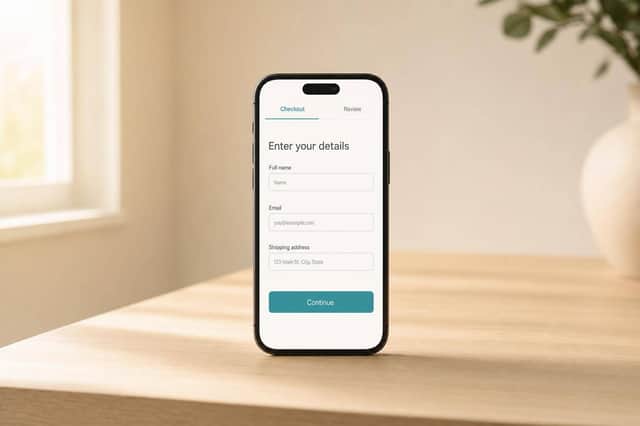
How cognitive load affects user experience, trust and conversion, plus practical ways to simplify busy website pages.

See how latency hurts conversions, which metrics matter first, and what to fix when a site feels slow on mobile.

Diagnose high TTFB and improve server response with hosting upgrades, caching, DB indexing, CDNs, and monitoring.

No single tool suffices - combine scanners to spot security, performance, accessibility, and compliance gaps fast.

Efficient enterprise crawling demands strict crawl-budget control, distributed architecture, and rigorous data-quality and compliance measures.
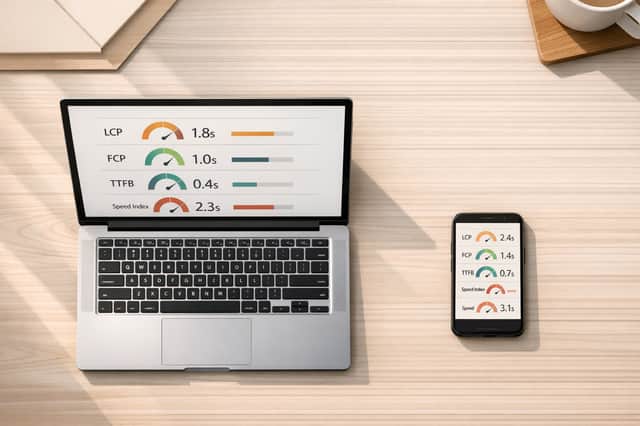
Compare mobile and desktop page speeds using LCP, FCP, TTFB, and Speed Index; run realistic throttled tests and verify results across tools.

Resolve third-party domains in advance with DNS prefetch to cut DNS lookup delays, improve LCP/FCP, and speed page loads - limit hints to avoid contention.

How responsive images improve website performance, reduce mobile page weight and protect Core Web Vitals.

Explore how grids, spacing, placement, and responsive layouts create clear visual hierarchy to improve readability, reduce cognitive load, and boost UX across devices.